Ambient Storage in Dammam: The 2026 Warehousing Playbook
Choosing the right ambient storage in Dammam can decide whether your products reach customers in perfect condition or spoil before they ever leave the warehouse. The Eastern Province has grown into a logistics gateway for the entire Gulf, and demand for stable, climate-controlled space keeps climbing in 2026. This guide explains how ambient warehousing works, who needs it, and how to compare providers without guesswork.
Ambient storage holds goods at a steady room temperature, usually between 15 and 25 degrees Celsius, without freezing or chilling them. It suits dry, shelf-stable products that still dislike heat spikes, humidity, and direct sun. In a region where summer highs regularly pass 45 degrees Celsius, “room temperature” is not something any serious business can leave to chance.
What ambient storage in Dammam really means
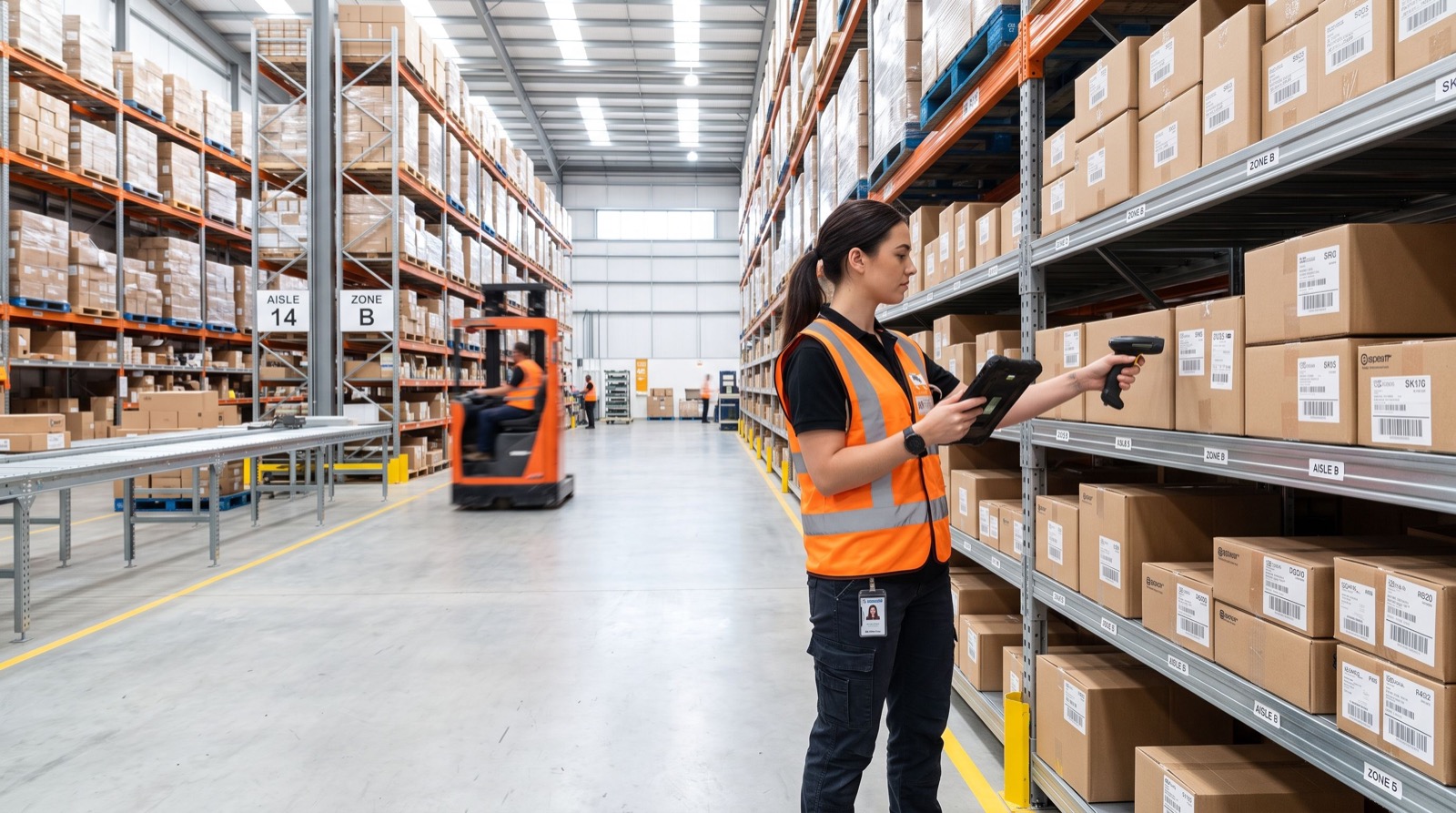
Many companies assume any warehouse will do for dry goods. In practice, an uninsulated shed in the Eastern Province can swing more than 20 degrees in a single day. Proper ambient facilities use insulation, mechanical ventilation, and monitored HVAC to hold a tight band, protecting product quality and extending shelf life.
Typical candidates for ambient conditions include packaged foods, bottled beverages, canned goods, grains, textiles, electronics, and many pharmaceutical items rated for 15 to 25 degrees. The goal is consistency, not cold. A good operator documents temperature logs so you can prove compliance to auditors and insurers.
Ambient versus temperature-controlled options
Not every product fits the same band. Some items need deep freezing, while others simply need to stay out of the heat. If your catalogue includes meat, seafood, or ice cream, you will also want a partner that runs Frozen Storage in Riyadh so you can keep ambient and frozen lines under one accountable supplier.
| Storage type | Typical range | Best for |
|---|---|---|
| Ambient | 15 to 25 C | Dry food, textiles, electronics |
| Chilled | 0 to 8 C | Dairy, fresh produce, some pharma |
| Frozen | -18 C or lower | Meat, seafood, frozen meals |
Why Dammam is a strategic storage location
Dammam sits beside King Abdulaziz Port, one of the busiest seaports in the Gulf, and connects by highway to Riyadh and the wider Kingdom. That position cuts transit time for imported goods and lowers the risk of heat exposure during long inland hauls. Shorter first-mile legs mean fewer temperature excursions before your stock reaches a controlled dock.
The Saudi logistics market continues to expand under Vision 2030, with heavy public investment in ports, roads, and bonded zones. The World Bank Logistics Performance Index highlights how port and customs efficiency shape total supply-chain cost, which is why location-smart storage matters. You can review the methodology at the World Bank Logistics Performance Index.
Key features to look for in 2026
- Continuous temperature and humidity monitoring with alerts.
- Backup power so conditions hold during grid interruptions.
- Pest control and food-grade hygiene certification.
- Racking that supports FIFO and FEFO stock rotation.
- Clear reporting dashboards and real-time inventory visibility.
How do you choose the right ambient storage partner?
Start with compliance. Food and pharmaceutical goods in the Kingdom fall under the Saudi Food and Drug Authority, which sets handling and storage rules you cannot ignore. Confirm your provider follows them and keeps audit-ready records; you can read the authority’s guidance at the Saudi Food and Drug Authority.
Next, weigh capacity and flexibility. A warehouse that only offers one temperature band forces you to split suppliers, which multiplies paperwork and handoffs. Working with Ambient Storage in Dammam specialists who also manage chilled and frozen space gives you one contract, one dashboard, and one point of accountability.
Finally, judge responsiveness. Ask how quickly the team reacts to a temperature alarm at 2 a.m., and request references. The most reliable operators behave like true partners, and seasoned quality service providers will happily share proof of performance rather than vague promises.
A practical tip from the warehouse floor
One habit separates great operations from average ones: mapping temperature across the whole building, not just near the sensor. Heat pools near loading doors and under roof lines. A quick thermal survey before you sign a lease reveals weak zones, so you can insist that your pallets sit in the most stable part of the facility.
Ambient storage in Dammam: costs and planning
Pricing usually blends a space charge, a handling charge, and value-added fees for labeling or kitting. Rather than chasing the lowest headline rate, model your true cost per order shipped. A slightly higher storage fee often pays for itself through fewer damaged units and faster dispatch.
Plan seasonal peaks early. Ramadan, back-to-school, and year-end promotions all spike inventory. Reserve flexible space ahead of 2026 peaks so you are not scrambling for room when demand surges.
Sustainability and energy efficiency in 2026
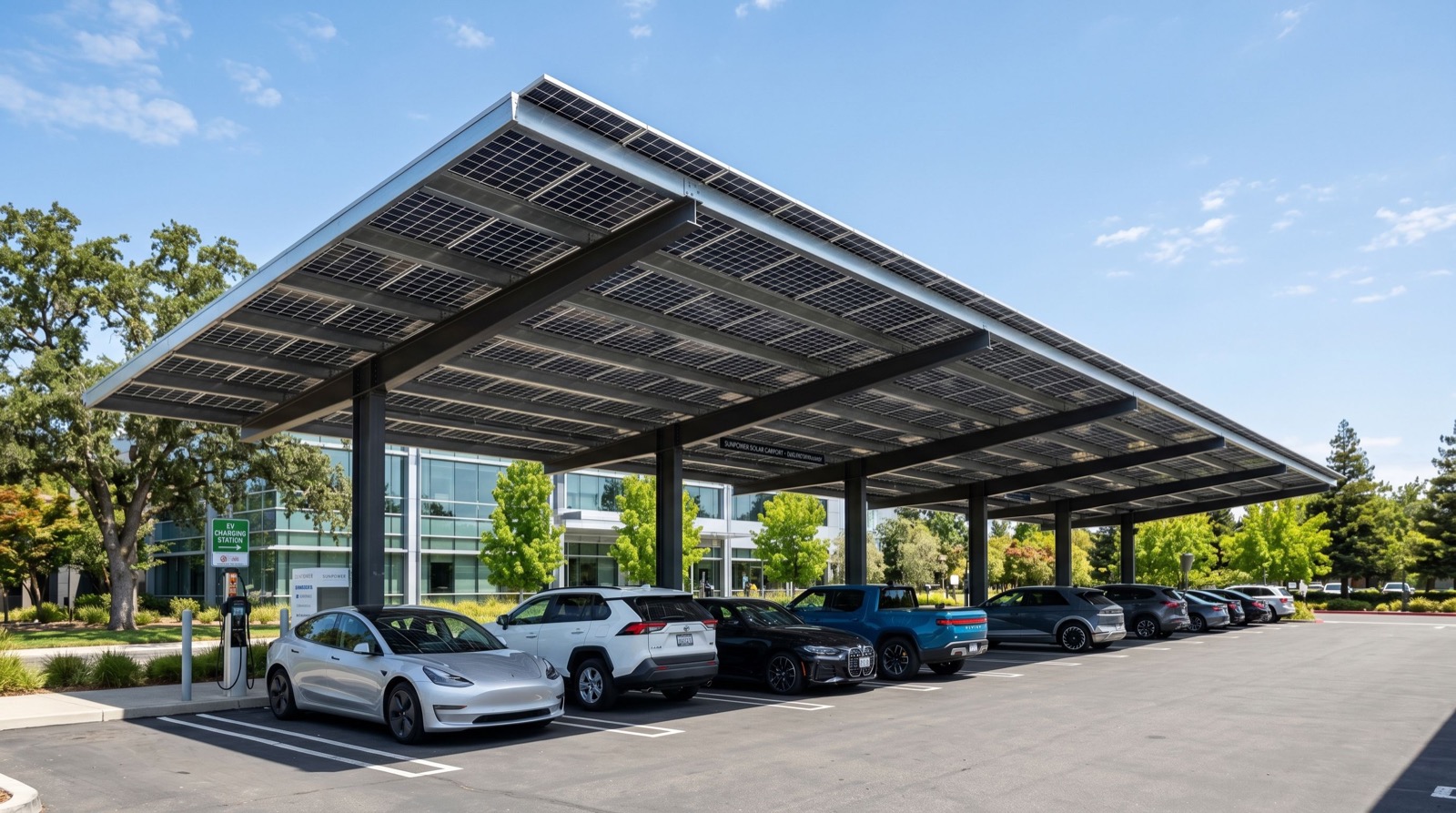
Energy is one of the largest costs in any warehouse, and ambient facilities are no exception. In 2026, operators across Saudi Arabia are investing in solar power, LED lighting, and smart building controls to cut both consumption and emissions. These upgrades lower running costs, and informed clients increasingly ask about them before signing a lease.
Efficiency also protects your goods. A building that holds temperature with less energy usually has better insulation and tighter seals, which means fewer swings during a heatwave. Ask any provider how they measure and reduce energy use per pallet stored.
Use this simple checklist on your next site visit:
- Does the roof carry solar panels or a reflective coating?
- Are dock doors fast-acting to limit warm-air inflow?
- Is lighting LED with motion sensors in low-traffic aisles?
- Does a building management system log energy and temperature together?
- Are HVAC units serviced on a fixed preventive schedule?
Sustainability is no longer a nice-to-have. Retailers and exporters now expect supply-chain partners to document their environmental practices, so choosing an efficient warehouse strengthens your own brand story as well as your margins.
Frequently Asked Questions
What temperature does ambient storage maintain?
Most ambient warehouses hold between 15 and 25 degrees Celsius with controlled humidity. The exact band depends on your product specification, so confirm the target range and the acceptable tolerance before committing.
Is ambient storage cheaper than chilled or frozen?
Yes. Ambient space uses less energy than refrigerated rooms, so it usually costs less per pallet. However, the real saving comes from choosing the correct band for each product rather than over-cooling goods that do not need it.
Can one provider handle ambient, chilled, and frozen goods?
The strongest operators run all three bands on a single site. That lets you consolidate shipments, simplify billing, and reduce the number of handoffs that can expose products to heat.
How do I verify a warehouse meets Saudi regulations?
Ask for current certifications, request sample temperature logs, and check alignment with Saudi Food and Drug Authority rules for food and pharma. A compliant operator will provide this documentation without hesitation.
Conclusion
Reliable ambient storage in Dammam protects your margins, your reputation, and your customers in a climate that punishes shortcuts. Prioritise stable conditions, strong monitoring, regulatory compliance, and a partner who can also cover chilled and frozen needs. Map your demand for 2026, compare providers on total cost rather than headline price, and lock in flexible space before the next peak. Ready to secure dependable warehousing in the Eastern Province? Reach out to a specialist team today and store with confidence.